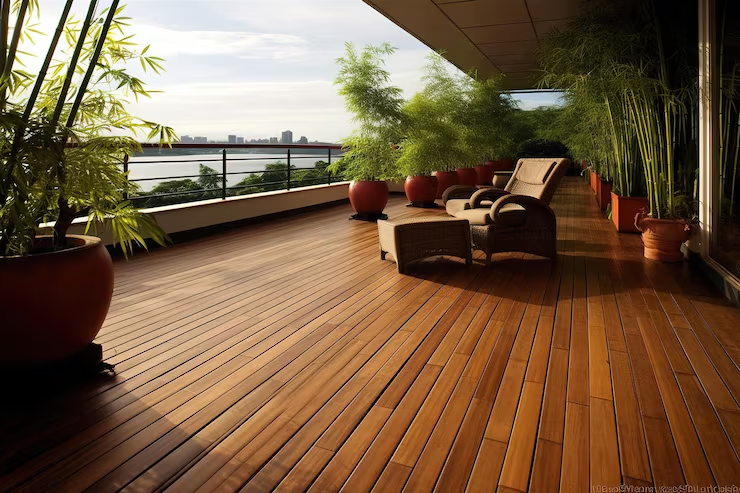


Composite decking is an excellent investment for Australian homeowners seeking a low-maintenance, durable outdoor living space. While it requires less care than traditional timber decking, it’s still essential to clean and maintain your composite deck to ensure it lasts for years to come. Regular upkeep not only enhances its appearance but also helps to protect your investment from the harsh Australian elements. Here’s a straightforward guide on how to clean and maintain your composite decking for long-term durability and enjoyment.
Why Choose Composite Decking?
Before diving into maintenance, it’s worth noting why composite decking is so popular in Australia. Unlike traditional timber, composite decking is made from a mix of wood fibres and plastic. This combination offers a range of benefits, including:
- Durability: Resistant to rot, termites, and weathering.
- Low Maintenance: No sanding, staining, or painting required.
- Aesthetic Appeal: Available in a wide range of colours and textures that mimic natural wood.
Despite its minimal upkeep, composite decking is not entirely maintenance-free. Let’s look at how to care for it properly. Top Composite Decking Products:
- 3D EMBOSSED PREMIUM COMPOSITE DECKING 5.4 M BROWN
- 3D EMBOSSED PREMIUM COMPOSITE DECKING 5.4 M BURLEY WOOD
- 3D EMBOSSED PREMIUM COMPOSITE DECKING 5.4 M CHARCOAL
- 3D EMBOSSED PREMIUM COMPOSITE DECKING 5.4 M LIGHT GREY
- 3D EMBOSSED PREMIUM COMPOSITE DECKING 5.4 M MERBAU RED
- 3D EMBOSSED PREMIUM COMPOSITE DECKING 5.4 M VINTAGE GREY
- 3D EMBOSSED COMPOSITE FASCIA BOARD 5.4M
1. Regular Cleaning: The Foundation of Deck Care
The first step to maintaining composite decking is regular cleaning. Dust, dirt, leaves, and algae can accumulate over time, leaving your deck looking worn out and potentially causing long-term damage if not addressed.
How to Clean Your Composite Decking:
- Sweep Away Debris: Use a broom with soft bristles to regularly sweep away leaves, dirt, and debris. This prevents buildup that could lead to stains or water damage.
- Rinse with Water: A simple rinse with a hose is often enough to remove light dirt. For tougher grime, use warm water mixed with a mild dishwashing liquid. Avoid harsh chemicals or bleach, as these can damage the surface of the composite decking.
- Scrub Stubborn Spots: For more stubborn stains (like food, oil, or mould), use a soft-bristled brush and a composite-safe cleaner. Always follow the manufacturer’s recommendations to ensure you’re using the right product.
2. Removing Stains: Tackle the Tough Stuff
While composite decking is designed to resist stains, it’s not entirely immune. Promptly dealing with stains can prevent them from setting in.
Types of Stains and How to Handle Them:
- Food and Drink Spills: Clean up spills immediately with a damp cloth. If the spill is greasy, you may need to use a composite-specific cleaner.
- Oil or Grease: Oil stains can be tricky, but don’t panic! A gentle scrub with warm soapy water or a non-abrasive deck cleaner should do the trick.
- Mould and Mildew: In damp, shaded areas, mould and mildew can grow. To tackle this, use a mixture of water and vinegar (1:1 ratio), applying it directly to the affected area. Let it sit for a few minutes before scrubbing with a soft brush.
3. Preventative Maintenance: Protecting Your Deck
Prevention is key to ensuring your composite deck stays in top condition for years.
Tips for Preventative Maintenance:
- Avoid Standing Water: Composite decking is resistant to water damage, but standing water can still cause issues over time. Ensure proper drainage around your deck to prevent water from pooling.
- Cover Your Deck: If your deck is exposed to extreme weather (especially heavy rain or harsh sun), consider investing in a breathable deck cover. This will help to protect the surface from UV damage, dirt, and debris.
- Trim Overhanging Trees: While composite decking is highly resistant to rot, overhanging branches can drop sap, leaves, and other debris that could stain the surface. Trim branches regularly to keep your deck free from these potential problems.
4. Annual Deep Clean: A Must for Longevity
Even though composite decking requires less upkeep than traditional timber, an annual deep clean will help to preserve its appearance and prevent the accumulation of grime or mould in harder-to-reach areas.
How to Deep Clean Composite Decking:
- Power Wash with Care: A gentle power wash can remove deep-seated dirt and grime. Be sure to use a pressure washer with a low PSI (around 1200–1500 psi) to avoid damaging the deck’s surface.
- Clean the Gaps Between the Boards: Composite decking typically has narrow gaps between the boards. These areas can trap dirt and debris, which can affect the deck’s overall cleanliness. Use a garden tool or a vacuum with a hose attachment to clear the gaps.
- Check for Loose or Worn Areas: During your annual cleaning, inspect the deck for any loose fasteners, damaged boards, or worn areas. Tighten any loose screws and replace damaged boards as needed.
5. Protecting Against the Sun and Weather
Australia’s harsh sun and weather conditions can take a toll on your composite deck. Here’s how to protect it from UV damage and other environmental factors.
Protecting Your Composite Deck from UV Damage:
- Choose the Right Colour: Lighter colours tend to absorb less heat and may fade less quickly than darker shades, especially in areas with intense sunlight.
- UV Protectant Coating: Some composite deck brands offer UV protectant coatings that can be applied annually to help retain the colour and prevent fading.
Weather Considerations:
- Rain and Humidity: Composite decking performs well in humid climates, but prolonged exposure to moisture can lead to mould growth. Ensure your deck is well-ventilated and avoid standing water.
- Extreme Heat: In areas where temperatures regularly exceed 35°C, ensure your deck is adequately ventilated and not exposed to constant, direct heat. Use deck mats or furniture to offer some protection from direct sunlight.
6. Repairing Your Deck: Fixing Minor Issues Before They Become Major
While composite decks are designed for durability, minor issues like scratches or small cracks can occur over time. Here’s how to keep your deck in top condition.
How to Repair Composite Decking:
- Small Scratches: Use a colour-matched repair kit to fix minor surface scratches. These kits usually come with a filling compound that can be applied to the damaged area, blending it with the surrounding deck.
- Cracks or Breaks: If a board becomes significantly cracked or broken, it’s best to replace it entirely. Since composite decking is often installed with a tongue-and-groove system, replacing individual boards is relatively easy.
Conclusion: Keeping Your Composite Deck in Prime Condition
Composite decking offers a beautiful, durable solution for outdoor living spaces, but like any outdoor feature, it requires some care. By following these pro tips on cleaning, maintenance, and protection, your composite deck will stay looking great for many years to come. Regular cleaning, preventative maintenance, and careful inspection can ensure your deck remains an asset for your home, no matter the weather.