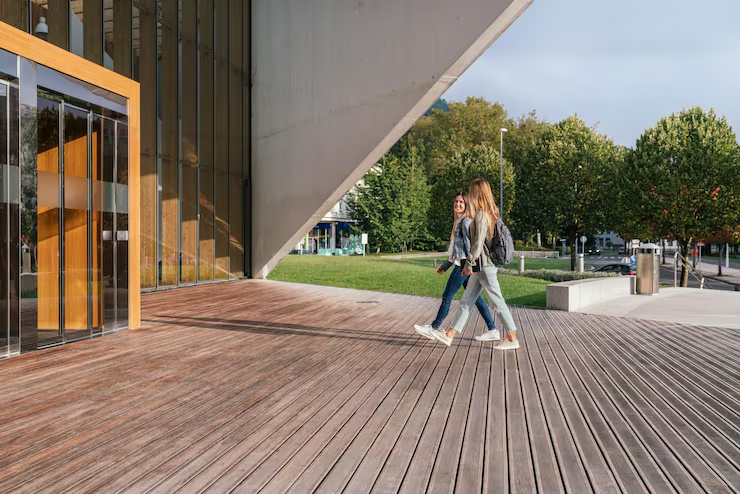


When it comes to decking materials, composite decking has surged in popularity over the past few years. Renowned for its durability, low maintenance, and aesthetic appeal, it’s often touted as an eco-friendly alternative to traditional timber decking. But, as with all materials, there’s more to the story when it comes to its environmental impact. In this blog, we’ll explore the environmental footprint of composite decking and how sustainable practices can make a difference for your home and the planet.
What is Composite Decking?
Before diving into its environmental impact, let’s first understand what composite decking is. Composite decking is made from a blend of wood fibres and plastic, typically recycled materials such as high-density polyethylene (HDPE) or polypropylene. This combination results in a product that offers the natural appearance of timber, but with the benefits of being resistant to rot, warping, and fading.
While composite decking has its advantages in terms of longevity and aesthetic appeal, the production process and materials used can have significant environmental consequences if not handled responsibly. Let’s explore both the positive and negative impacts of composite decking. Explore Composite Decking products:
- 3D EMBOSSED PREMIUM COMPOSITE DECKING 5.4 M BROWN
- 3D EMBOSSED PREMIUM COMPOSITE DECKING 5.4 M BURLEY WOOD
- 3D EMBOSSED PREMIUM COMPOSITE DECKING 5.4 M CHARCOAL
- 3D EMBOSSED PREMIUM COMPOSITE DECKING 5.4 M LIGHT GREY
- 3D EMBOSSED PREMIUM COMPOSITE DECKING 5.4 M MERBAU RED
- 3D EMBOSSED PREMIUM COMPOSITE DECKING 5.4 M VINTAGE GREY
- 3D EMPOSSED COMPOSITE FASCIA BOARD 5.4M
Environmental Benefits of Composite Decking
1. Recycled Materials: A Step Toward Waste Reduction
One of the most significant environmental benefits of composite decking is its use of recycled materials. Many composite decking products are made from a mix of wood fibres from sawdust or reclaimed wood, and plastic waste such as recycled bottles, bags, and packaging. By repurposing these materials, composite decking helps reduce the amount of plastic and timber waste that would otherwise end up in landfills.
Additionally, using recycled materials conserves natural resources by reducing the need for virgin timber and fossil fuels. Over time, this contributes to a reduction in the depletion of forests and decreases the carbon footprint associated with the extraction and production of raw materials.
2. Longevity and Durability
Composite decking is designed to last for decades with minimal maintenance, which significantly reduces the need for replacement or repairs. This durability is crucial from an environmental perspective because it reduces the frequency of replacing decking materials, which in turn cuts down on the demand for new resources.
Unlike timber decking, which can rot, warp, and fade over time, composite decking maintains its appearance and structural integrity for much longer. This means less frequent replacements and a longer lifecycle for your outdoor living space, ultimately reducing overall resource consumption.
3. Low Maintenance Means Fewer Chemicals
Another eco-friendly aspect of composite decking is that it requires much less maintenance compared to traditional timber decks. With composite materials, you don’t need to stain, seal, or treat the surface with harsh chemicals to protect it from weathering or pests. This means less exposure to harmful substances like pesticides, preservatives, and toxic sealants, which can leach into the environment over time.
The Environmental Downsides of Composite Decking
While composite decking does have notable environmental benefits, it’s essential to also consider the potential downsides.
1. Energy-Intensive Manufacturing Process
The production of composite decking materials is energy-intensive, particularly because of the processes involved in converting plastic waste into usable decking boards. The manufacturing process typically requires significant amounts of heat and electricity, which can result in a high carbon footprint, especially if the energy used comes from non-renewable sources. For more on energy efficiency in manufacturing and how the industry is evolving towards greener practices, visit the Clean Energy Council .
In comparison, timber decking, although requiring the harvesting of trees, tends to have a lower energy consumption during its production phase. However, the environmental impact of composite decking can be mitigated if the manufacturing process uses renewable energy sources or energy-efficient technologies.
2. Non-Biodegradable Components
Despite being made from recycled materials, composite decking is not biodegradable. While it won’t break down naturally over time like timber, if it ends up in a landfill, it will remain intact for many years. Additionally, composite decking is not readily recyclable at the end of its life, though some manufacturers are working towards more sustainable, recyclable options.
This presents a challenge in the long term, particularly as the popularity of composite decking grows. Without effective recycling solutions, composite decks may contribute to waste in the future.
3. Chemical Additives
In some cases, composite decking contains chemical additives to enhance performance and durability, such as UV stabilisers, flame retardants, and colourants. While these chemicals can improve the decking’s lifespan, they may also pose environmental and health risks if not disposed of properly. The presence of these additives also makes composite decking harder to recycle.
How to Choose Sustainable Composite Decking Options
1. Look for Certifications
To ensure that your composite decking is as sustainable as possible, look for products with third-party environmental certifications. For example, decking made from recycled plastic or timber should be certified by organisations such as the Forest Stewardship Council (FSC) or have a post-consumer recycled content label. These certifications provide assurance that the product meets environmental standards and has a lower environmental impact.
2. Choose Brands with Eco-Friendly Manufacturing Processes
Some composite decking manufacturers are taking steps to reduce their environmental footprint by implementing energy-efficient manufacturing processes, using renewable energy, or employing closed-loop systems that reduce waste. Researching and choosing brands that prioritise sustainability can make a significant difference.
3. Opt for Fully Recyclable Products
Some newer composite decking materials are designed to be fully recyclable at the end of their life. These products are ideal if you’re looking to minimise the long-term environmental impact of your decking. Although recycling options are still limited, choosing products that are designed with recyclability in mind can encourage a shift toward more sustainable solutions in the industry.
Conclusion: The Future of Composite Decking
Composite decking, when chosen and maintained responsibly, can be a sustainable option for homeowners looking to create an eco-friendly outdoor living space. While it has its environmental challenges, such as energy-intensive production and potential waste at the end of its lifecycle, the benefits—particularly the use of recycled materials and reduced maintenance—make it a better choice compared to traditional timber decking in many cases.
As technology improves and manufacturers adopt greener practices, the environmental impact of composite decking will continue to decrease. For those seeking a sustainable and durable decking solution for their home, composite decking, if chosen carefully, can offer both aesthetic and environmental advantages.
By understanding both the positive and negative aspects of composite decking, homeowners can make informed decisions that contribute to a more sustainable future for our planet—one deck at a time.